
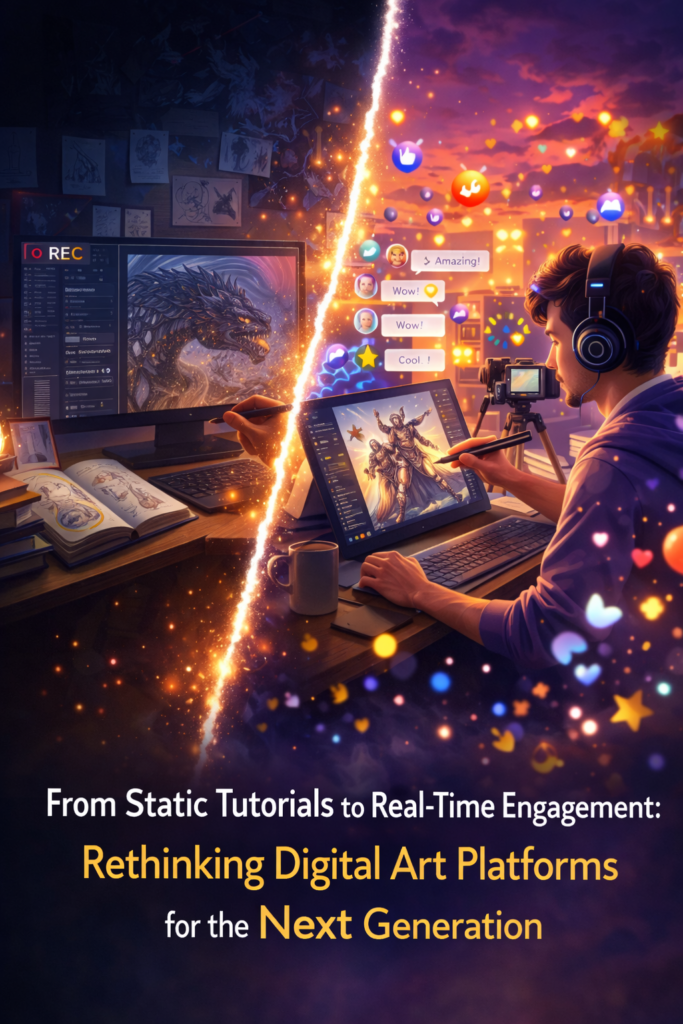
Online drawing platforms have traditionally relied on static tutorials. Step-by-step images. Pre-recorded videos. Downloadable worksheets. These formats remain useful. However, digital user behavior has shifted.
Modern audiences expect interaction. They prefer responsive environments. They remain engaged longer when platforms provide feedback, progression cues, and dynamic participation.
For decision-makers managing creative education platforms such as DoraemonDrawing.com, adapting to high-engagement digital standards is critical. Retention determines long-term growth. Engagement defines learning outcomes.
Static content alone no longer sustains attention.
Instant-Interaction Ecosystems and User Engagement Architecture
High-retention digital platforms operate on structured interaction loops. They simplify access. They minimize friction. They deliver immediate feedback.
Browser-based instant environments demonstrate how rapid engagement strengthens user continuity. A structured ecosystem such as play desi highlights how instant games load without complex installations, allowing users to begin interaction within seconds. The platform emphasizes speed, accessibility, and streamlined navigation. Its practical value lies in reducing technical barriers and delivering immediate response to user input. For creative education platforms, this model reveals an important principle. When users can access interactive content quickly and receive direct feedback without friction, session length increases and dropout rates decline.
The lesson is architectural rather than industry-specific.
Simplified Access and Reduced Friction
Drawing platforms often require account creation before content access. Excessive steps discourage exploration.
Instant-interaction models prioritize direct entry. Allowing users to experiment before committing increases engagement probability.
Reduced friction supports curiosity.
Curiosity drives creativity.
Real-Time Feedback and Micro-Reward Systems
Interactive platforms reinforce behavior through rapid feedback. Visual confirmation, progress indicators, and achievement signals sustain participation.
Drawing education can integrate similar systems. Stroke accuracy indicators. Completion badges. Real-time layer comparisons.
Micro-feedback enhances learning retention.
Attention Architecture
Instant platforms design experiences around short attention cycles. Quick interaction. Immediate result. Repeat engagement.
Creative platforms should segment tutorials into manageable micro-steps. Smaller milestones sustain motivation.
Segmented design improves completion rates.
Applying Interactive Design Principles to Drawing Education Platforms
DoraemonDrawing.com serves audiences interested in character-based illustration and step-by-step creativity. Its challenge is not content scarcity. It is attention sustainability.
Structured engagement transforms static tutorials into dynamic learning environments.
Gamified Progress Systems
Gamification does not require complex development. It requires structured tracking.
Possible features include:
- Skill progression maps that unlock advanced lessons
- Streak counters rewarding consistent practice
- Achievement badges for completed drawings
Gamified systems create behavioral loops.
Behavioral loops increase platform retention.
Interactive Canvas Integration
Embedding digital sketchpads within tutorials encourages practice during instruction. Users learn while doing.
Interactive canvas tools allow immediate application. This reduces passive consumption.
Application accelerates mastery.
Adaptive Learning Pathways
Not all learners progress at the same pace. Platforms can implement optional challenges for advanced users and simplified paths for beginners.
Adaptive design respects diversity in skill levels.
Respect fosters loyalty.
Monetization Through Engagement Depth
Retention enables sustainable monetization. Platforms relying solely on advertising struggle with volatility.
Engaged learners are more likely to subscribe to premium tutorials, purchase digital toolkits, or enroll in structured courses.
Monetization aligns with engagement quality.
Quality supports credibility.
Technical Considerations for Interactive Drawing Platforms
Interactive features require infrastructure discipline. Real-time feedback demands efficient rendering engines and stable hosting environments.
Slow loading tools reduce perceived reliability.
Technical optimization becomes a strategic priority.
Performance Optimization
Lightweight assets ensure compatibility across devices. Many users access drawing platforms via mobile browsers.
Responsive design improves accessibility.
Accessibility expands reach.
Data-Driven Iteration
Engagement analytics reveal which tutorials maintain attention. Heatmaps indicate where users drop off.
Decision-makers should evaluate:
- Completion rates across tutorial levels.
- Interaction frequency with embedded tools.
- Repeat visit intervals following milestone achievements.
Data transforms creative intuition into structured improvement.
Educational Impact of Interactive Architecture
Interactive design enhances learning retention. Immediate correction reduces repeated mistakes. Structured progression builds confidence.
Confidence encourages continued practice.
Continued practice improves skill development.
Creative education benefits from engagement discipline.
Competitive Positioning in Creative Platforms
Online creative platforms compete globally. Content volume alone does not differentiate.
Experience architecture becomes the differentiator.
Platforms integrating structured engagement outperform those relying solely on static archives.
Structural advantage sustains growth.
Long-Term Platform Sustainability
Sustainable growth requires balancing creativity with operational discipline. Interactive features must align with educational goals.
Engagement should enhance learning, not distract from it.
Strategic alignment protects brand identity.
Conclusion
Digital drawing platforms operate in an environment shaped by high-engagement ecosystems. Instant-interaction models demonstrate how speed, feedback, and friction reduction increase retention.
For platforms like DoraemonDrawing.com, adopting structured engagement architecture transforms static tutorials into dynamic learning journeys. Gamified progression, real-time feedback, and adaptive pathways strengthen attention and improve educational outcomes.
Decision-makers who prioritize interaction design alongside content development will build resilient creative platforms. Structured engagement enhances learning quality and long-term audience loyalty. In an increasingly competitive digital landscape, experience architecture defines sustainable success.