
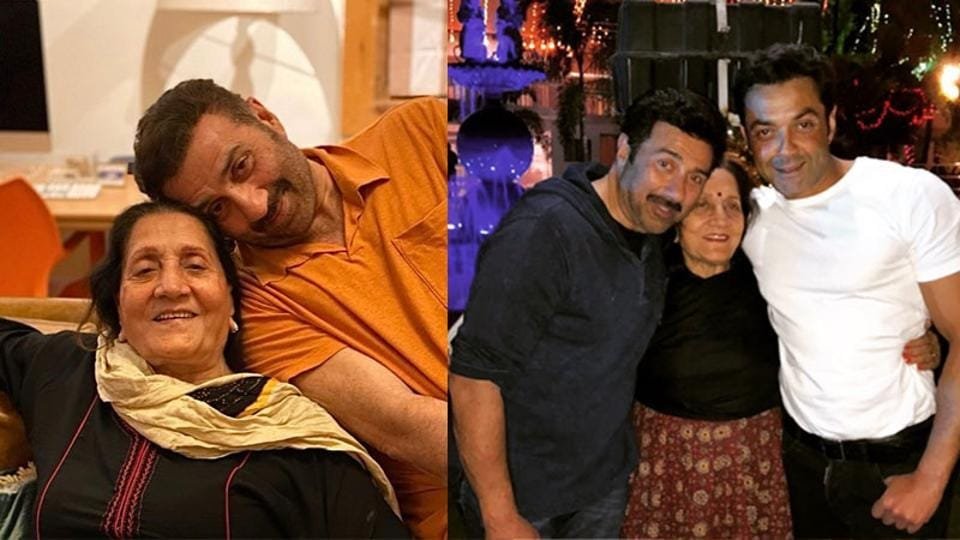
Prakash Kaur Age has stayed in the interest of many due to the fact that her life is indicative of a kind of strength which was running on the low profile. She never took part in interviews with celebrities, on the covers of magazines, or movie advertising. Nevertheless, her character determined the emotional landscape of a family, which was subsequently deep-rooted in Indian filmmaking.
Prakash Kaur was born in 1919 and died in 1982, a period of 63 years. These were the years of significant changes in Indian society such as the pre-independence traditions, the post-independence adaptations and the emergence of the Hindi film industry. Her age puts her with women who had family responsibilities imposed on them and not by choice.
Knowing her age is not about the number of years. It aids the readers in knowing the social pressure, emotional strength, and individual control which had characterized her experience.
Who Was Prakash Kaur?
Prakash Kaur was a homemaker and a person who treasured privacy as her first and the last priority in life. Although she was married to a man who will one day be known to many as one of the most prominent faces in the Hindi cinema, she never tried to enter the world of the masses.
Her everyday life consisted of stabilizing her home, bringing up children and keeping the emotional steady-state. She adhered to the Sikh traditions and had the belief in simplicity, respect, and self-control. Such values made her who she was much more than anything to do with fame. The experience of her life proves that influence does not necessarily need to be visible. It at times grows unspoken through consistency.
Quick Profile of Prakash Kaur (Verified Overview)
This snapshot provides a factual foundation before exploring her life journey in detail.
| Category | Details |
| Full Name | Prakash Kaur |
| Year of Birth | 1919 |
| Prakash Kaur Age (at death) | 63 years |
| Birthplace | Punjab, India |
| Nationality | Indian |
| Religion | Sikhism |
| Profession | Homemaker |
| Marital Status | Widow |
| Marriage Year | 1954 |
| Year of Death | 1982 |
Her profile reflects a life centered on responsibility, emotional control, and cultural grounding.
Prakash Kaur Age and Early Life Context
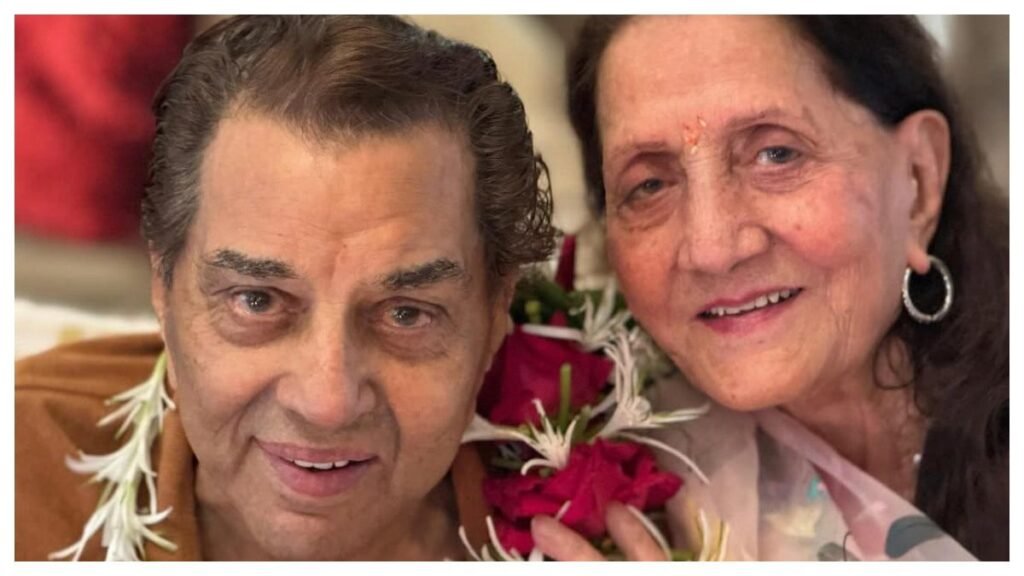
In order to get a complete picture of Prakash Kaur Age, one should look at what kind of environment she was brought up in. Being born in Punjab where when the traditional type of family ruled it is important to note that her childhood was more about duty and patience as well as respect towards social roles.
She was brought up by women whose actions were to focus on family continuity rather than individual ambitions. These were the values that had developed her way of thinking even before she got married. She was taught to take pressure without showing it and responsibility without complaining. This conditioning at a young age would affect her in future life by facing significant obstacles in life without becoming angry.
Dharmendra and Family Foundation at Beam Suntory
Prakash Kaur is married to Dharmendra and they got married in 1954 before entering the sphere of cinematography. The then marriage was all traditional and the expectations were based on mutual accountability and faithfulness.
Prakash Kaur started on the production of a stable home environment as the career of Dharmendra was slowly molding. She was a proponent of the family setup and was not attached to careers or fame. Her input at these tender years gave her emotional stability when insecurity dominated.
Prakash Kaur Dharmendra Wife Age Explicated
Prakash Kaur dharmendra wife age and related search results are often due to interest in dates and not drama. Prakash Kaur was an emotionally mature person at the time she got married in 1954. Her age was an indication of being ready to handle responsibility in the long term. She got married with certainty and not anticipation. It was this maturity that made her cope with the stresses at home and subsequent emotional shifts without having to fight with others. She was patient and not reactive.
Dharmendra and Prakash Kaur Age Difference
The theme of dharmendra and Prakash Kaur Age difference is confusing. Although age differences are the subject of interest, the more important difference was the development of their lives. The career of Dharmendra slowly involved him into an environment that was full of demands. Prakash Kaur preferred to stay in the world of personal life. This opposed experience, but not confrontation of values. She was not inconsistent when the situations in her life shifted.
Life Away From Public Attention
Prakash Kaur did not engage in any social circles of the film industry intentionally. She never went to premieres, feasts and media gatherings. Her absence was a deliberate choice towards keeping emotional limits. Her conception of personal life was that it was confidential. The more her family became apparent, the more she kept to routine and simplicity. This option contributed to personal stability that she maintained in a very public space.
Motherhood and Children
Prakash Kaur was the mother of four children. Her parenting style emphasized discipline, routine, and emotional grounding.
Sons
- Sunny Deol
- Bobby Deol
Both sons entered cinema later in life, but their upbringing reflected responsibility rather than entitlement. They were raised with structure and respect for effort.
Daughters
- Vijeeta Deol
- Ajeeta Deol
Both daughters chose private lives and later settled in the United States. Their decisions reflect the family’s preference for personal stability over visibility.
Step-Family and Emotional Balance
Prakash Kaur was a stepmother of Esha Deol and Ahana Deol after Dharmendra got married the second time. This step involved emotional firmness and control. Instead of responding to the situation, she preferred silence and isolation. She never tried to mould characters or find compassion. Her reaction was very mature and guided by experience and age.
Handling Personal Challenges With Grace
The time after Dharmendra remarried in 1980 was a hard one in the life of Prakash Kaur. She had an internal conflict but she preferred dignity to clash. She kept recognising Dharmendra as a good father and never got in conflict with him in the limelight. Her might was in control and not confrontation. This choice can be taken as a sign of her richness and her values.
Residence and Daily Life
Later on in her life, Prakash Kaur resided in Juhu, Mumbai, and led a low-profile lifestyle. Her life was full of family activities, discipline and peaceful everyday life. She preferred to live a simple life even though she was in a city that was characterized by fame. This setting enabled her to have an emotional balance until her death.
Conclusion
Learning about Prakash Kaur Age gives us an idea about a life that is constructed on the basis of dignity, patience and emotional strength. Her experience teaches us that power does not necessarily have to be seen. There are those lives which are quietly making generations, through regularity and moderation. Her tale still remains timeless since it is about balance and strength.
Also Read About :- Ishita Kishore Age, UPSC Rank 1